
Do Split Ends Really Travel? | Salon Cabelo Farnham
🌿 Healthy Hair Series | Article 3
Healthy Hair Series
Do Split Ends Really Travel?
The truth about split ends, why they happen and how to keep your hair looking and feeling healthy.
We've all heard it before. If you don't cut your split ends, they'll travel all the way up your hair.
But is that actually true? And does it mean you need to have your hair trimmed every six weeks to keep it healthy?
In this month's
Healthy Hair Series, we're looking at what really happens when hair splits, why some people experience more split ends than others and what you can do to help prevent them.
What actually causes split ends?
Every strand of hair has an outer protective layer called the cuticle.
Over time, everyday wear and tear can weaken this protective layer, particularly towards the ends of the hair, which are the oldest and have been exposed to the most styling, washing and environmental stress.
When the hair becomes weakened, the end of the strand can begin to separate into two or more pieces. This is what we call a split end.
Some of the most common causes include:
- Excessive heat styling without adequate protection
- Frequent colouring or lightening
- Rough brushing or detangling
- Friction from towels, clothing and everyday styling
- General wear and tear, particularly on longer hair
-
Even with a good haircare routine, some split ends are perfectly normal. Our hair goes through a lot, especially when we're trying to grow it longer.
So, do split ends really travel up the hair?
Hair naturally absorbs moisture from the air.
On humid days there is more moisture in the atmosphere, so hair absorbs more water than usual. As the hair swells, it loses its smooth shape and becomes harder to control.
This is why your hair can look perfectly smooth when you leave the house but change completely once you're outside.
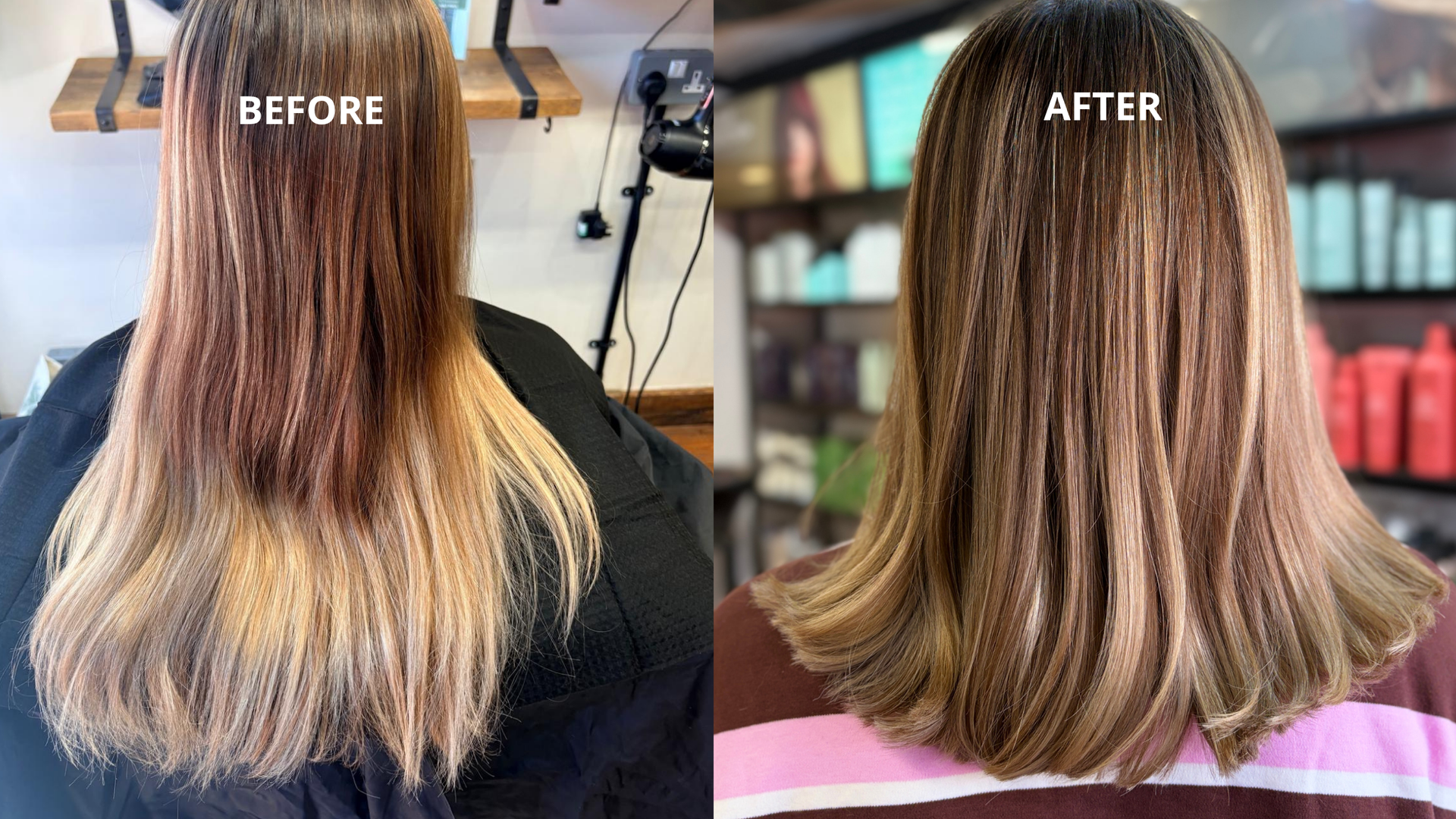
Can hair products repair split ends?
You've probably seen products promising to repair, seal or mend split ends.
And some of these products can make a noticeable difference to how your hair looks and feels.
Conditioners, masks, serums and specialist treatments can temporarily smooth the hair's surface, reduce friction and help prevent further damage.
But they cannot permanently reconnect a strand of hair that has already split.
At Salon Cabelo, we love treatments such as Aveda Botanical Repair, which is designed to strengthen hair and help protect against breakage.
These treatments are brilliant for supporting healthier hair, but they're not a replacement for removing ends that have already split.
The only way to permanently remove a split end is to cut it off.
Why regular trims really matter
If you're trying to grow your hair, having it cut might feel like the last thing you want to do.
We understand. When you've spent months growing those extra inches, even the thought of a trim can feel painful!
But regular trims aren't about taking away your length unnecessarily.
They're about removing damaged ends before they become more fragile and prone to breaking.
And here's something worth remembering.
Cutting your hair doesn't make it grow faster.
Hair grows from the follicle in your scalp, so trimming the ends won't change its growth rate.
What regular trims can do is help you retain more of the length you're growing by reducing breakage.
That's why maintaining healthy ends is particularly important if your goal is longer hair.
How often should you have your hair trimmed?
There's no single answer that works for everyone.
You may have heard that everyone needs a haircut every six to eight weeks, but the right timing depends on your hair type, style, condition and how you look after it.
As a general guide:
- Short, precision haircuts: Often every 4 to 6 weeks to maintain their shape.
- Medium-length styles: Around 6 to 10 weeks, depending on the cut.
- Longer hair: Often 8 to 12 weeks, sometimes longer if the ends are in good condition.
- Hair that's damaged or breaking: May benefit from more frequent, carefully planned trims.
These are guidelines rather than rules.
If you're growing your hair, we'll always discuss your goals and recommend how much needs to come off, rather than automatically cutting a set amount.
Five simple ways to help prevent split ends
The good news is that while we can't prevent every split end, there are plenty of things you can do to reduce damage.
1. Always use heat protection
Whether you're blow drying, straightening or curling, a good heat protectant helps reduce the damage caused by high temperatures.
2. Be gentle when brushing
Start detangling at the ends and gradually work your way upwards. Avoid pulling through knots, particularly when your hair is wet and more vulnerable to damage.
3. Keep your hair conditioned
Using the right conditioner and occasionally adding a nourishing mask can help improve softness, reduce friction and make hair easier to manage.
4. Think about how you dry your hair
Rather than vigorously rubbing with a towel, gently squeeze out excess moisture. A soft microfibre towel can be a useful addition to your routine.
5. Don't ignore damaged ends
If your ends are starting to feel rough, look thin or become tangled easily, it might be time for a trim.
Catching damage early can mean you need to remove less length in the long run.
Frequently asked questions
Can split ends repair themselves?
No. Once a hair strand has physically split, it cannot permanently repair itself. Products can temporarily improve its appearance, but trimming is the only way to remove the split.
Will my hair stop growing if I don't cut it?
No. Your hair will continue growing from the scalp. However, if your ends become damaged and break off, you may find it difficult to retain length.
How can I tell if I have split ends?
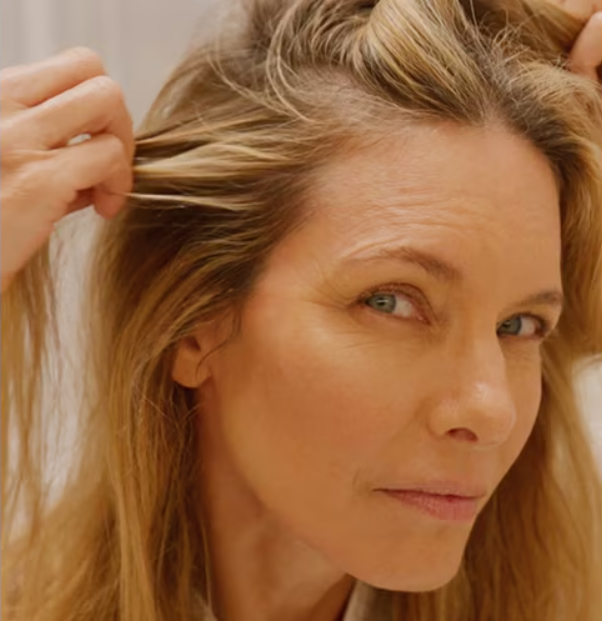
Look closely at the ends of your hair. You may notice individual strands separating into two or more pieces, or ends that look frayed, thin or uneven. Hair that tangles easily can also be a sign of damage.
Should I cut my split ends myself?
It's best to have your hair assessed and trimmed professionally. Household scissors or blunt blades can create an uneven cut and potentially contribute to further damage.
Do expensive products prevent split ends?
Not necessarily. The most important thing is choosing products suited to your hair and using them consistently. Good technique, gentle handling and regular maintenance matter just as much.
Our Advice
At Salon Cabelo, we believe healthy hair is about finding the right balance between looking after the condition of your hair and enjoying the style you love.
If you're trying to grow your hair, we'll help you maintain as much length as possible while keeping the ends looking healthy.
And if your hair is feeling particularly dry or fragile, we can recommend the right Aveda homecare or professional treatment to help strengthen and protect it.
Not sure whether your hair needs a trim or a little extra care?
Speak to your stylist at your next appointment, or contact Salon Cabelo in Farnham to arrange a complimentary consultation.
Healthy hair starts with understanding what your hair needs, and we're here to help you every step of the way.
To arrange a consultation, please 📞Call, 💌 email, or 💬 message the salon.